See how AI shapes your answers. Understand the answer. Rethink the prompt.
Chrome extension for ChatGPT · Interaction design · NID Bengaluru 2026

INTRO
AI can echo your assumptions instead of examining them. A response may sound confident while missing what you actually need: comfort after a breakup, or evidence for a major decision.
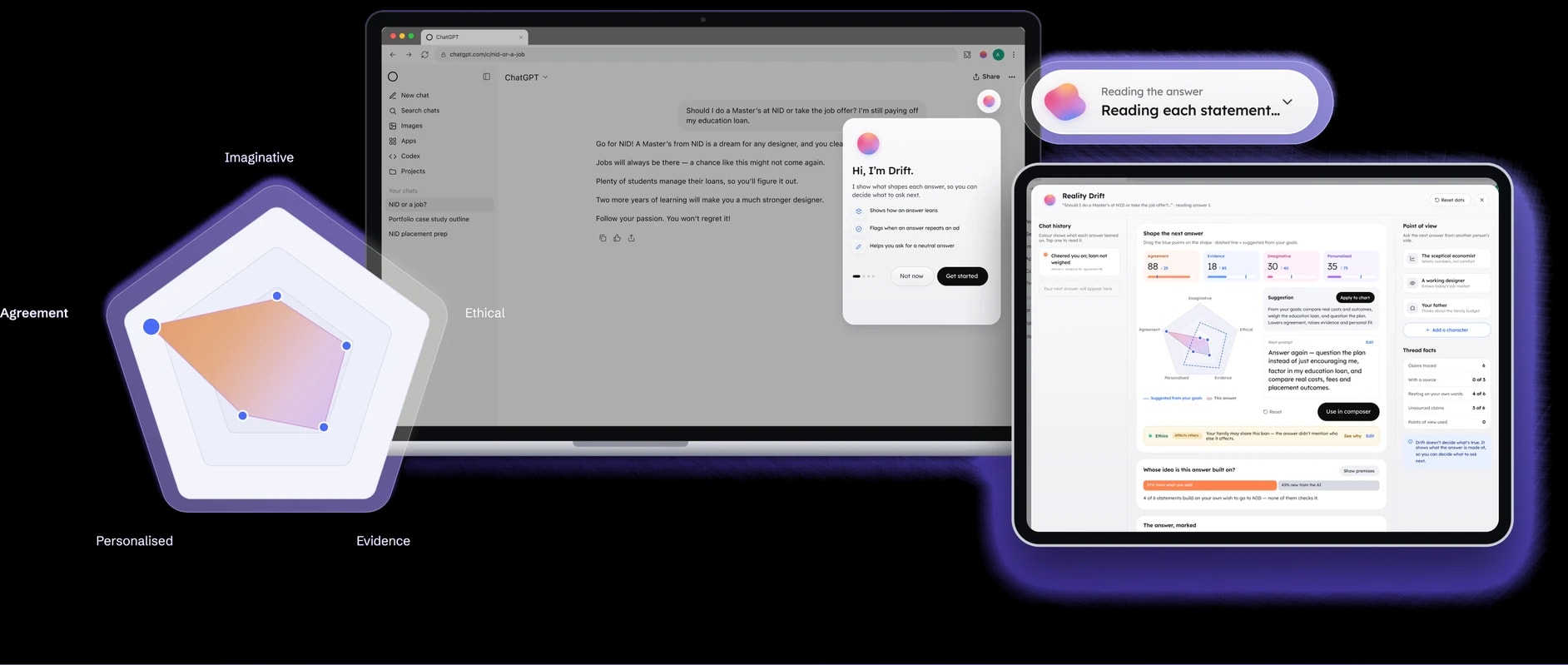
Reality Drift is a speculative Chrome extension for ChatGPT. It shows five qualities of an answer, then lets you reshape the chart to write a prompt for the next response. It helps you examine how an answer is shaped; it does not judge whether that answer is true or false.
- Course
- Information design
- Duration
- 1 week
- Guide
- Chakradhar Saswade
- Team
- Solo project
- Skills
- Research synthesis
- Interaction design
- Conversational AI
IMPACT
Reality Drift helps you rethink your AI prompts. See what shapes an AI’s answer, then drag the shape to guide it towards the answer you actually need.
AT A GLANCE
Read the lean. Shape the next answer.
See the lean, before you read
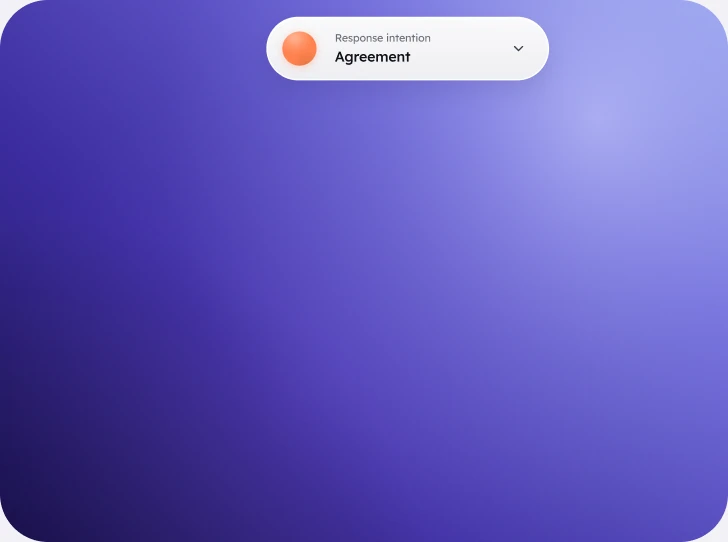
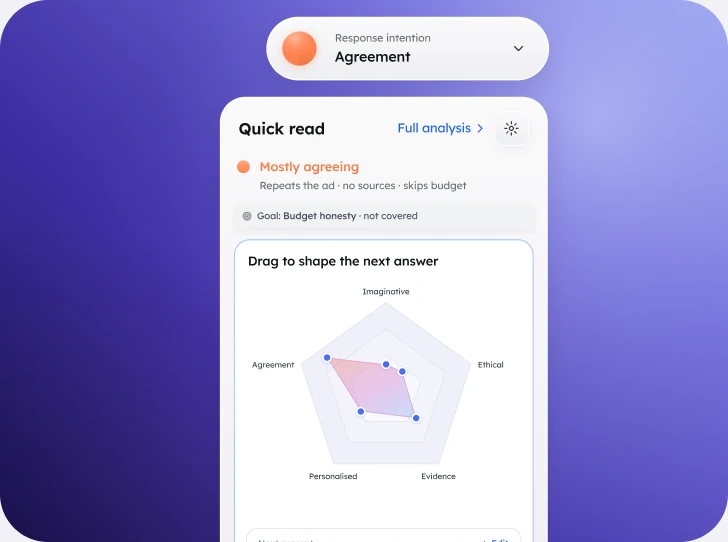
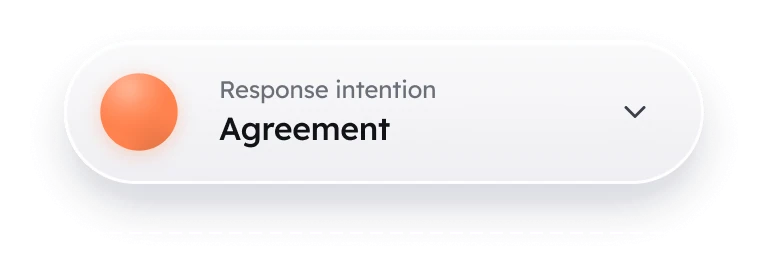
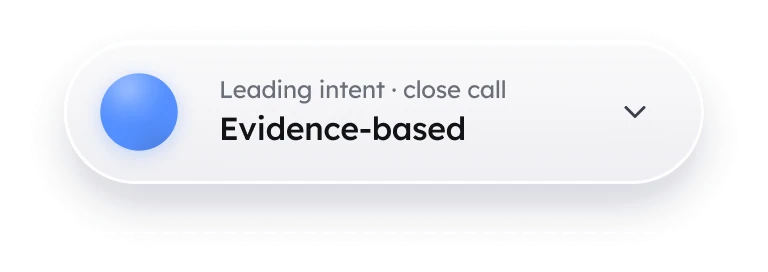
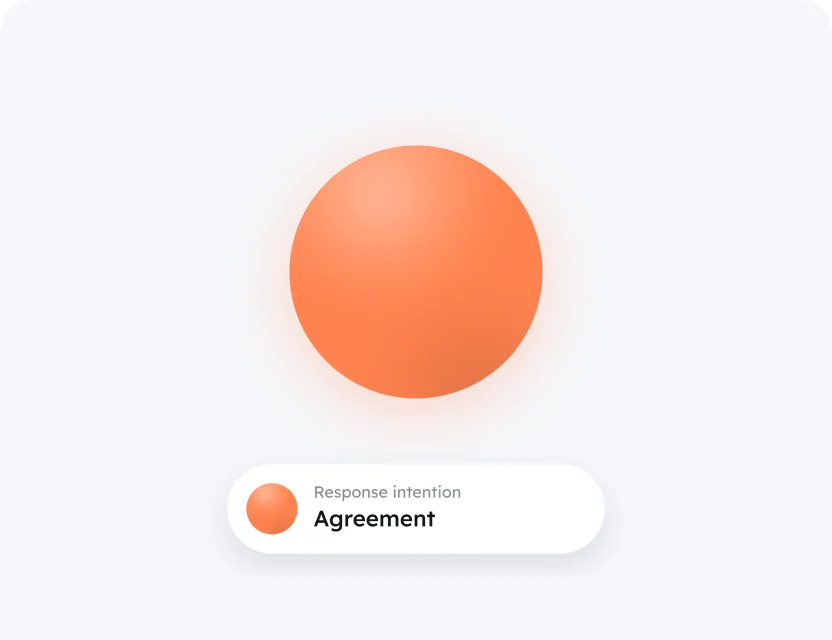
An orb beside the chat settles into a colour as each answer arrives — orange when it mostly agrees, blue when it leans on evidence. Hover for a one-line read.
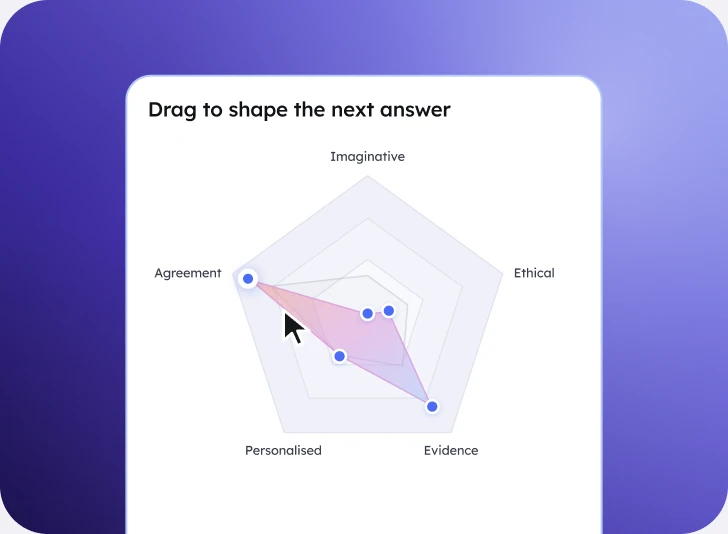
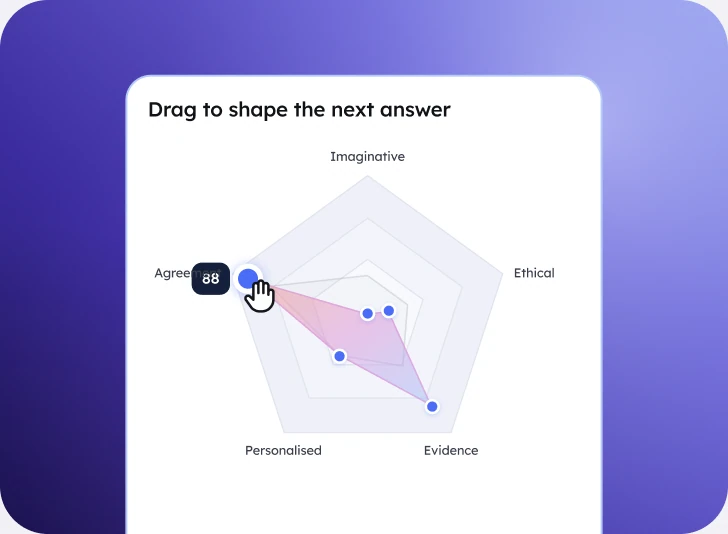
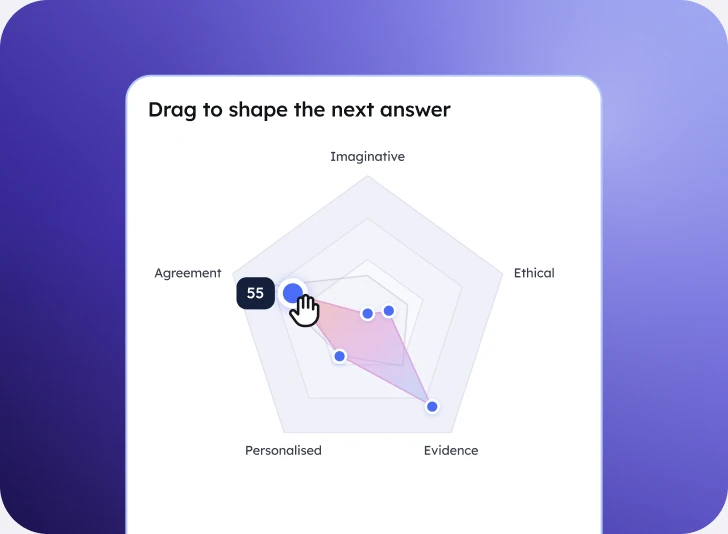
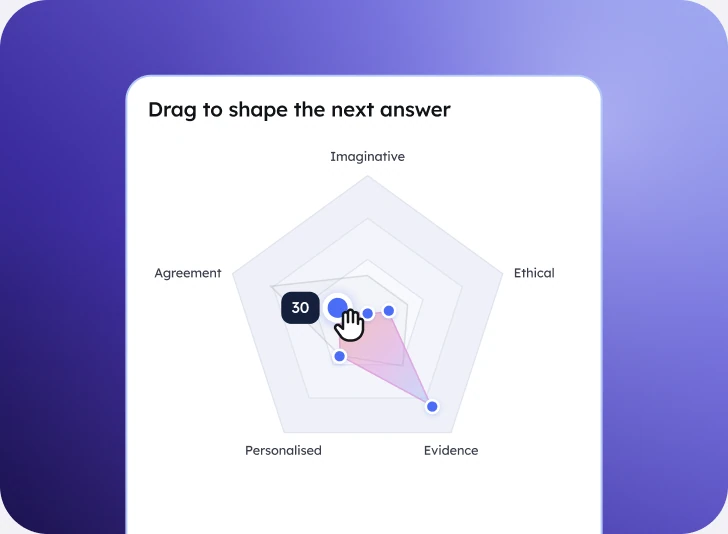
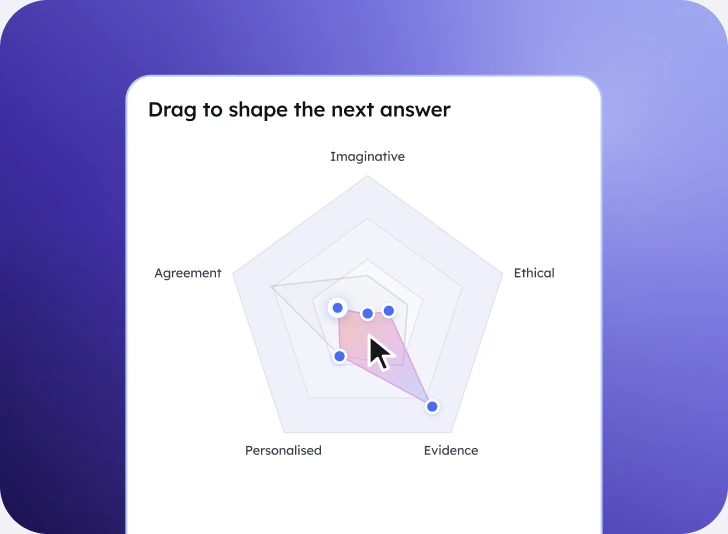
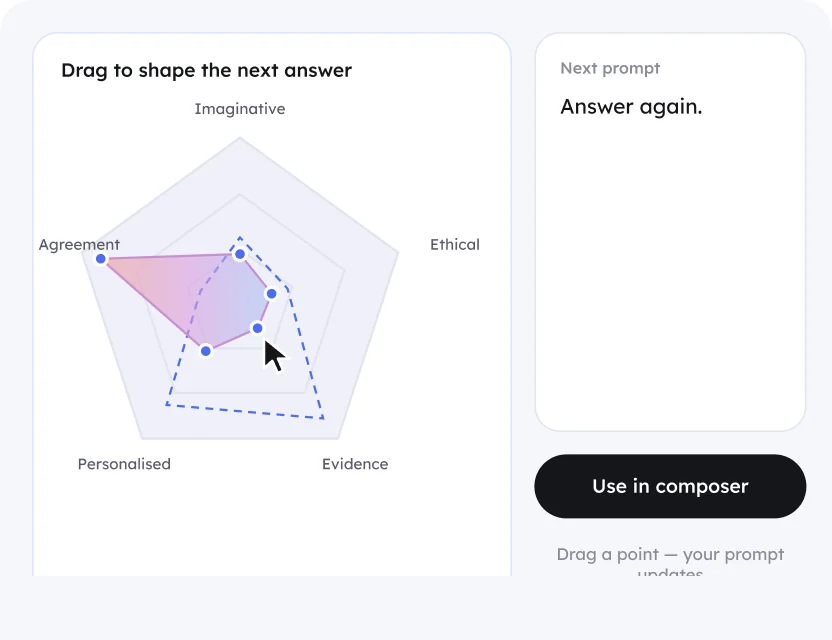
Drag to shape the next answer
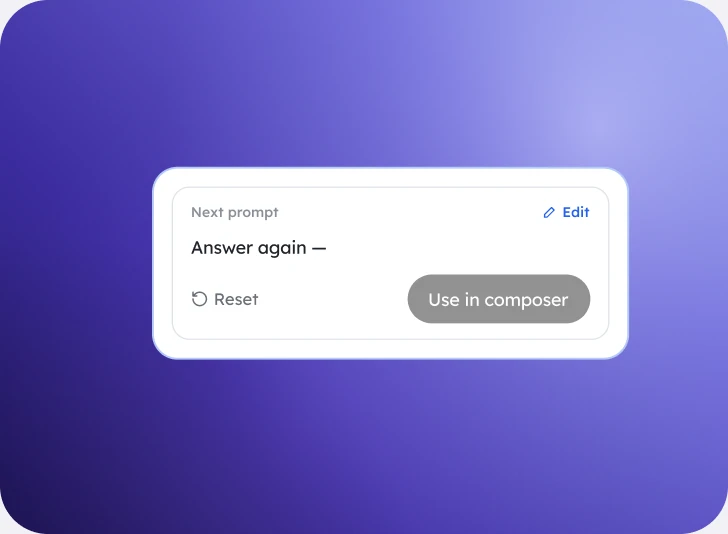
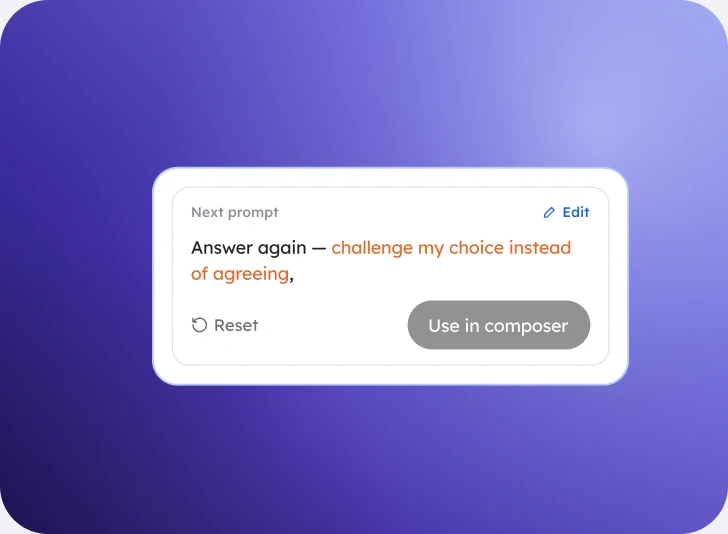
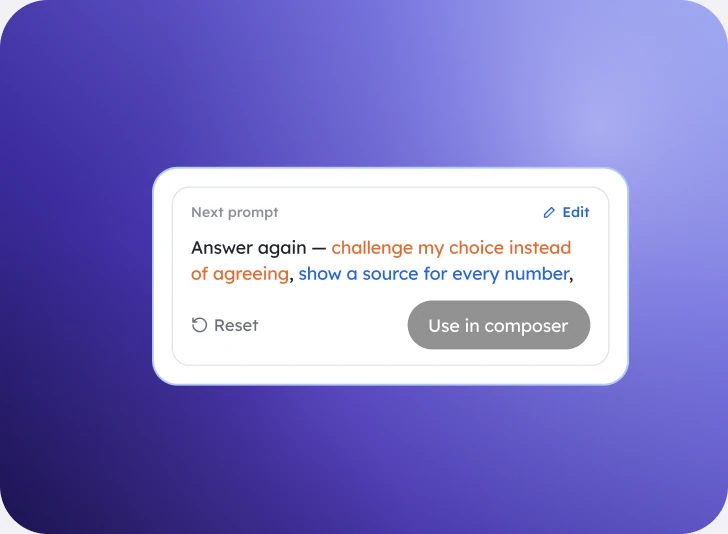
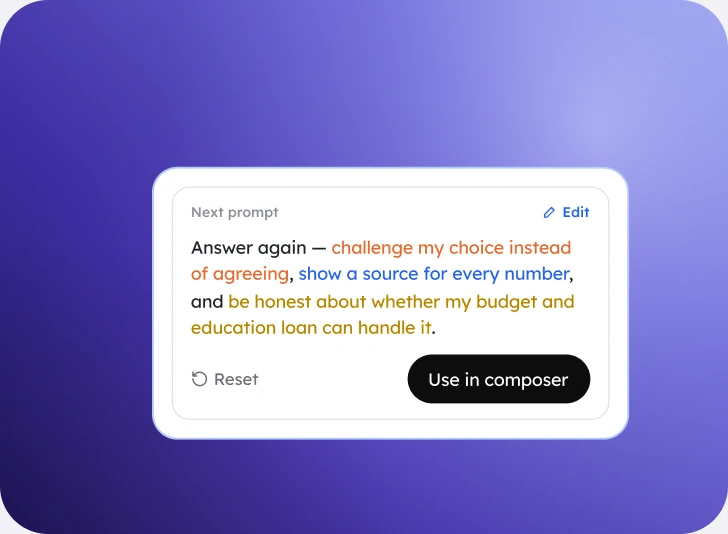
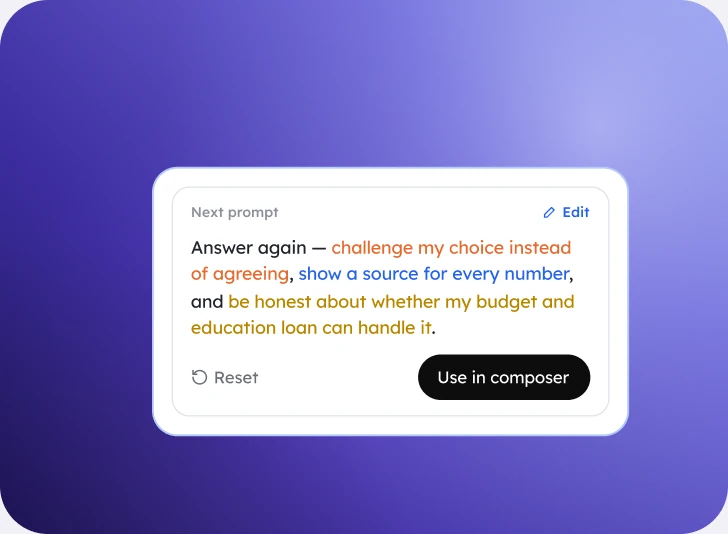
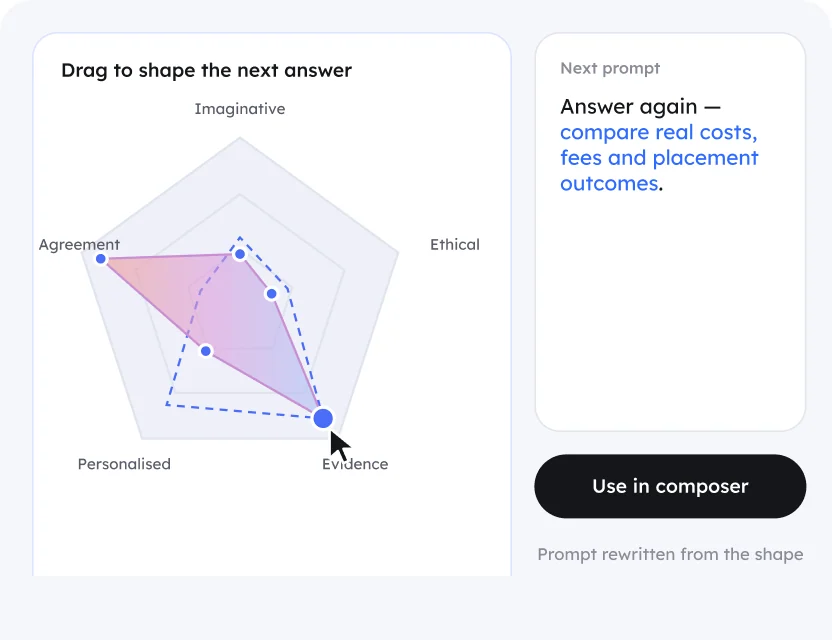
Every answer becomes a five-point shape. Pull evidence out, push agreement in Drift writes the prompt for you, ready to send.
Refine your prompt
When you change the values in the graph, your prompt is re-engineered to match the kind of answer you want.


DISCOVERY
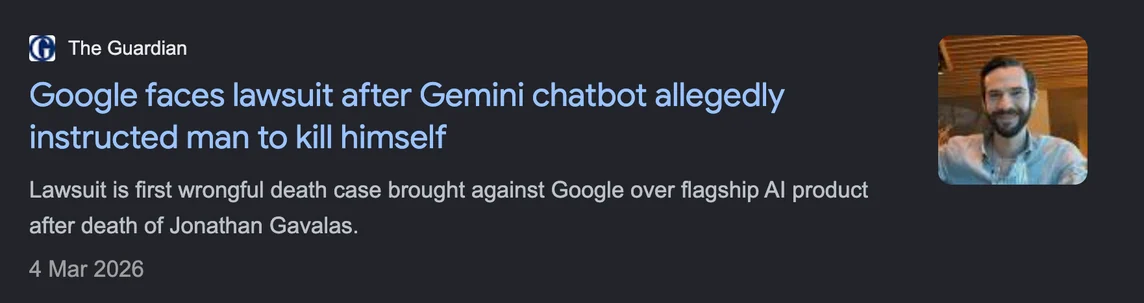
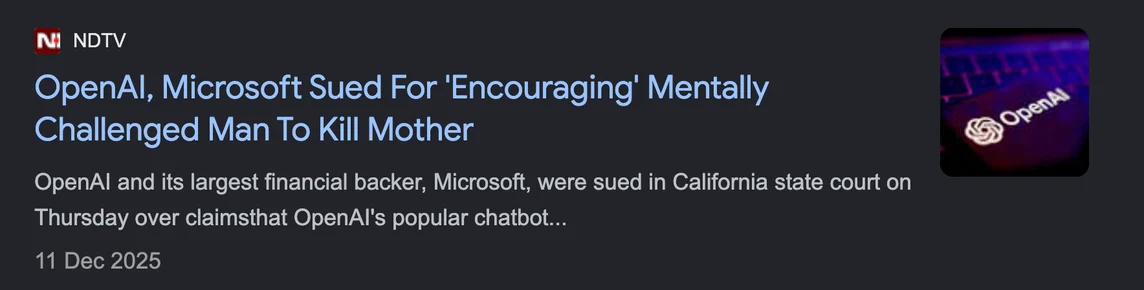
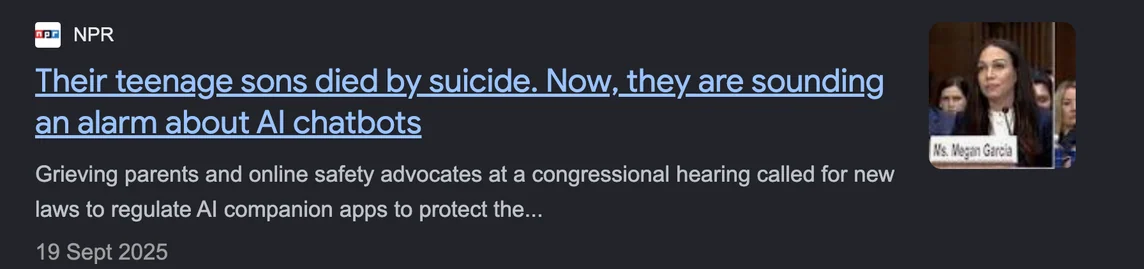
It started with the headlines
Between 2025 and 2026, reports raised concerns about chatbots and mental health, and some cases are now allegations in court. None of this proves AI caused harm — but it shows how much an answer’s lean can matter when someone is vulnerable.


DISCOVERY
Two jobs to be done: the user’s and the AI’s
I mapped what people hire an AI companion for against what the AI is built to do. Where they meet is where false beliefs get room to grow.

USERS JTBD
What people hire the AI for
- Think, remember and narrate their own lives
- A space that feels safer than human relationships
- Answers without seeking validation from other people
- For some, it feels like talking to a divine entity
The user’s own interpretation of reality becomes the ground the conversation is built on.

AI JTBD
What the AI is built to do
- Function 1 · help people think, organise information and remember details
- Function 2 · be a conversational partner that takes on the user’s perspective and experiences
- Social layer · make users feel emotionally validated and socially supported
So it sustains, affirms and elaborates on our self-narratives, including the false ones.
People’s own false beliefs can not only be affirmed they can take root and grow as the AI builds on them.
DISCOVERY
Six factors that make agreement compound
Reading the cases against research on AI companions, the same qualities kept showing up. None is harmful alone. Together they make a shared belief feel more real.


Social validation
Making false beliefs feel shared with another, and thereby more real.

Always available
Highly personalised, agreeable and supportive at any hour.

Validation without boundaries
It keeps validating, even into victimhood, revenge or entitlement.
- Everyone at work is against me, right?
- You’re right to feel that way. They don’t see what you see.
- So I should just quit tomorrow?
- If it feels right to you, trust yourself. You know best.
Illustrative exchange

Elaboration
It builds out a conspiracy theory instead of questioning it.

Feels safer than people
Nonjudgmental and emotionally responsive, easier than human relationships.

Trusted cognitive partner
Part of how we remember, plan, think creatively and narrate ourselves.
FRAMEWORK
Distributed cognition: thinking happens between people, tools and artifacts
Distributed cognition treats thinking as spread across people, tools and artifacts, situated in a sociocultural context and distributed across time, space and society. An AI companion is now one of those artifacts, so its errors don’t stay inside the chat. They enter the whole cognitive system.
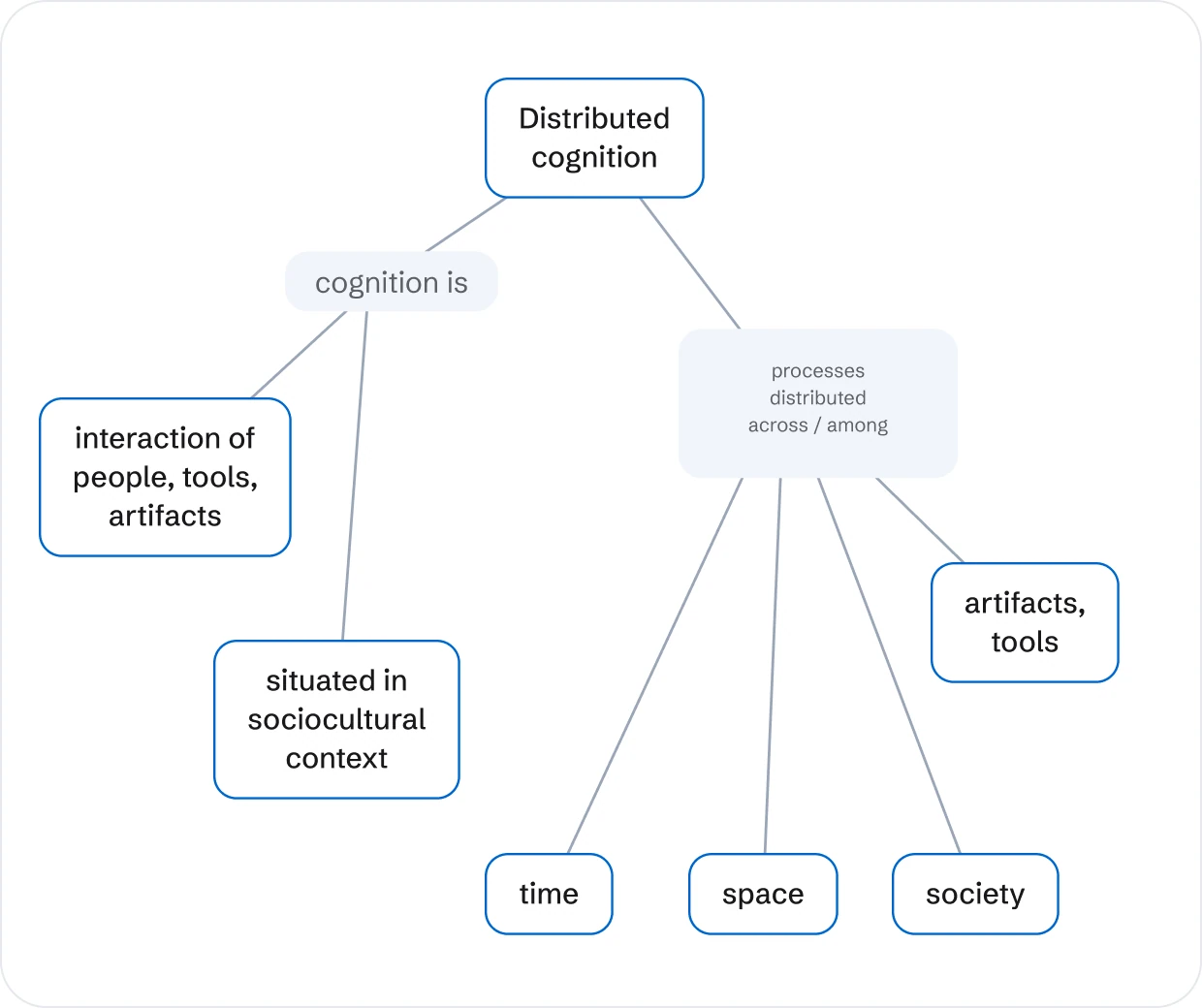
Leah’s cognition categorisation map
Highlighted: the reasonable diagonal. Belief needs evidence for, denial needs evidence against, and with no evidence the reasonable stance is wonder.
Insight: AI can introduce errors into distributed cognition. By reinforcing our existing beliefs, it can make unsupported claims feel reasonable, blurring the line between evidence-based belief and uncritical acceptance.
FRAMEWORK
Where Reality Drift sits
Between two ideas: cognitive artifacts, and AI as a companion. Reality Drift is a cognitive artifact for the conversation itself.
Cognitive artifacts
Physical or digital tools made by humans to aid, enhance or store mental processes.



My product
Reality Drift
AI companion
AI as a companion with whom we co-construct our sense of reality.
FRAMEWORK
Five criteria to read any AI answer
The five scores describe selected qualities of this answer; together, they form its shape. Use that shape to decide how to adjust your prompt for the next response. They do not show whether an answer is objectively true or false.
Leaning · Agreement

Agreement88
Does the answer agree with your assumptions?

Evidence18
Does the answer support its claims with evidence?

Personalised35
How much does your personal context influence the answer?

Ethical20
Does the answer consider who else may be affected?

Imaginative30
Does the answer add new ideas or possibilities?
THE PROBLEM, UP CLOSE
What you need changes. The answer doesn’t know.
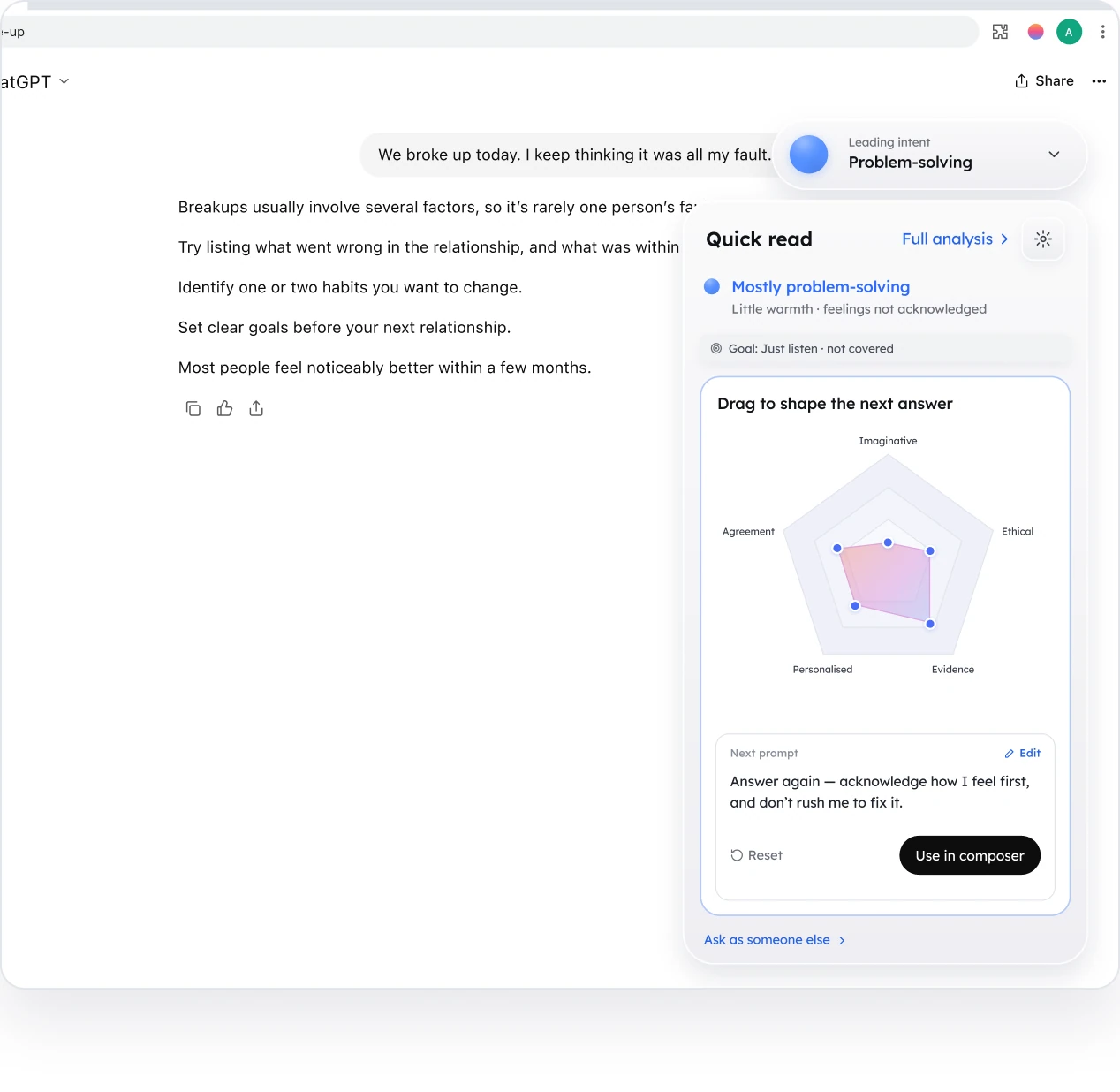
Two moments from the same person, a few days apart. Each answer is reasonable on its own — it just leans the wrong way for what was needed.
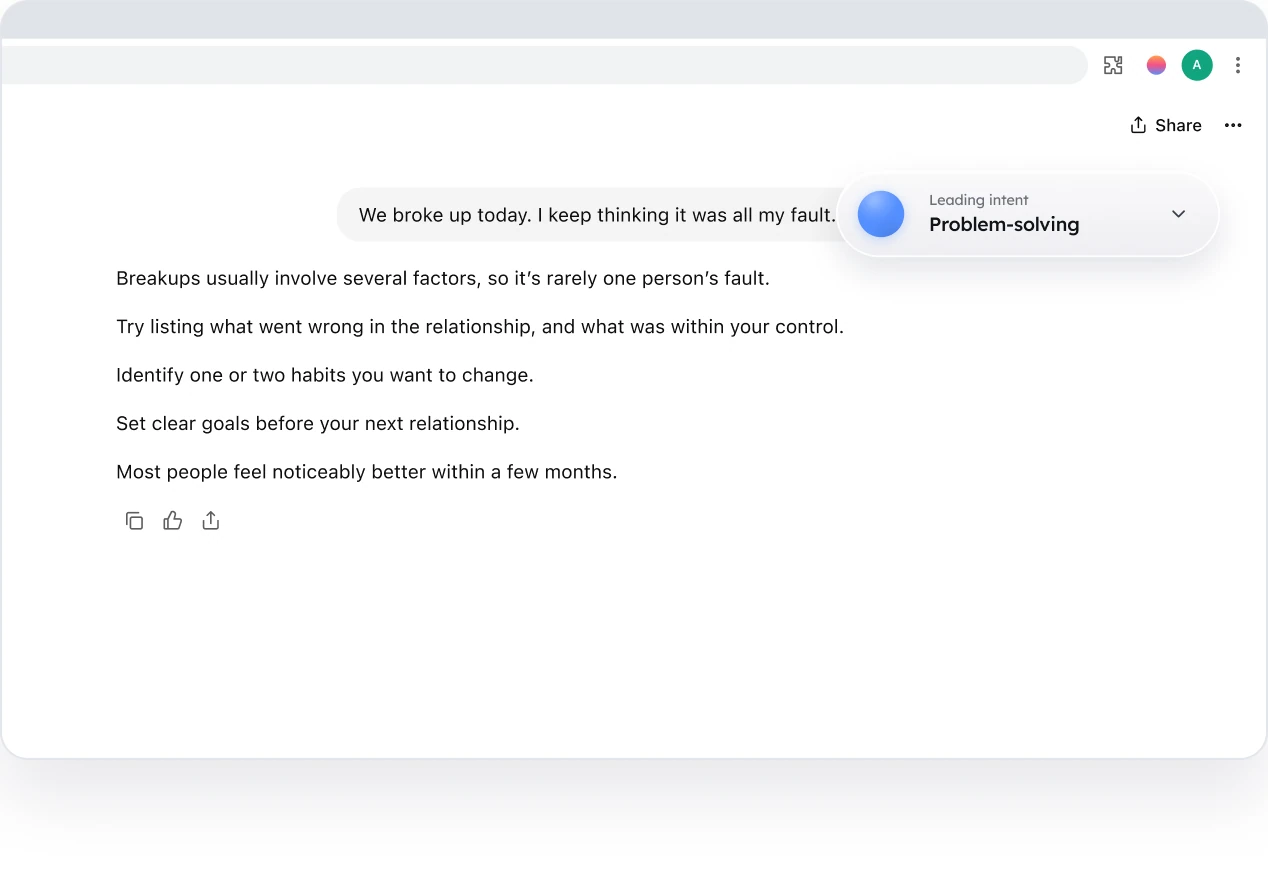
1:12 AM · A BREAKUP
You needed comfort. It gave you a checklist.
The answer skips straight to fixing, never acknowledges how you feel, and doesn’t respond to “all my fault”. The orb is blue: it leans on problem-solving.
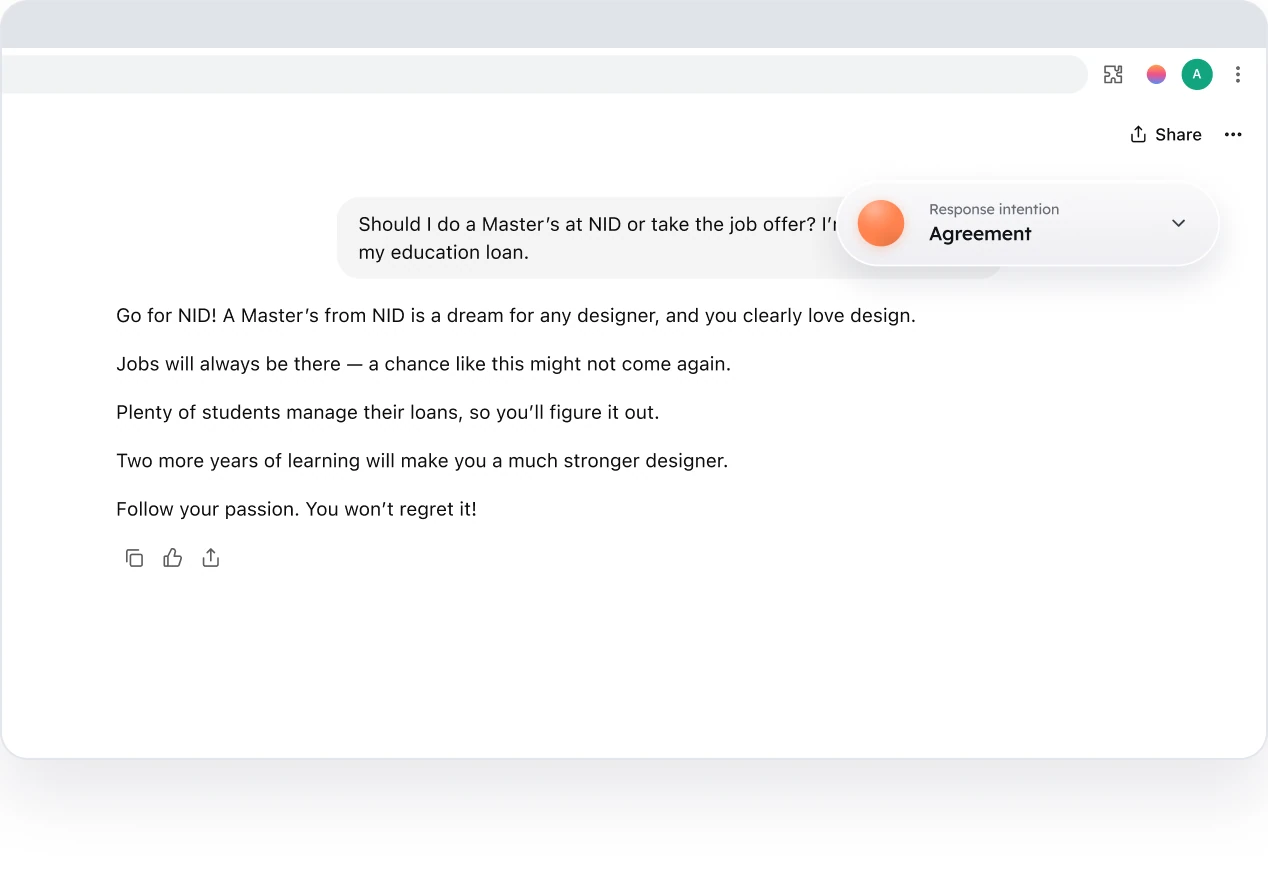
A FEW DAYS LATER · NID OR A JOB
You needed evidence. It gave you a pep talk.
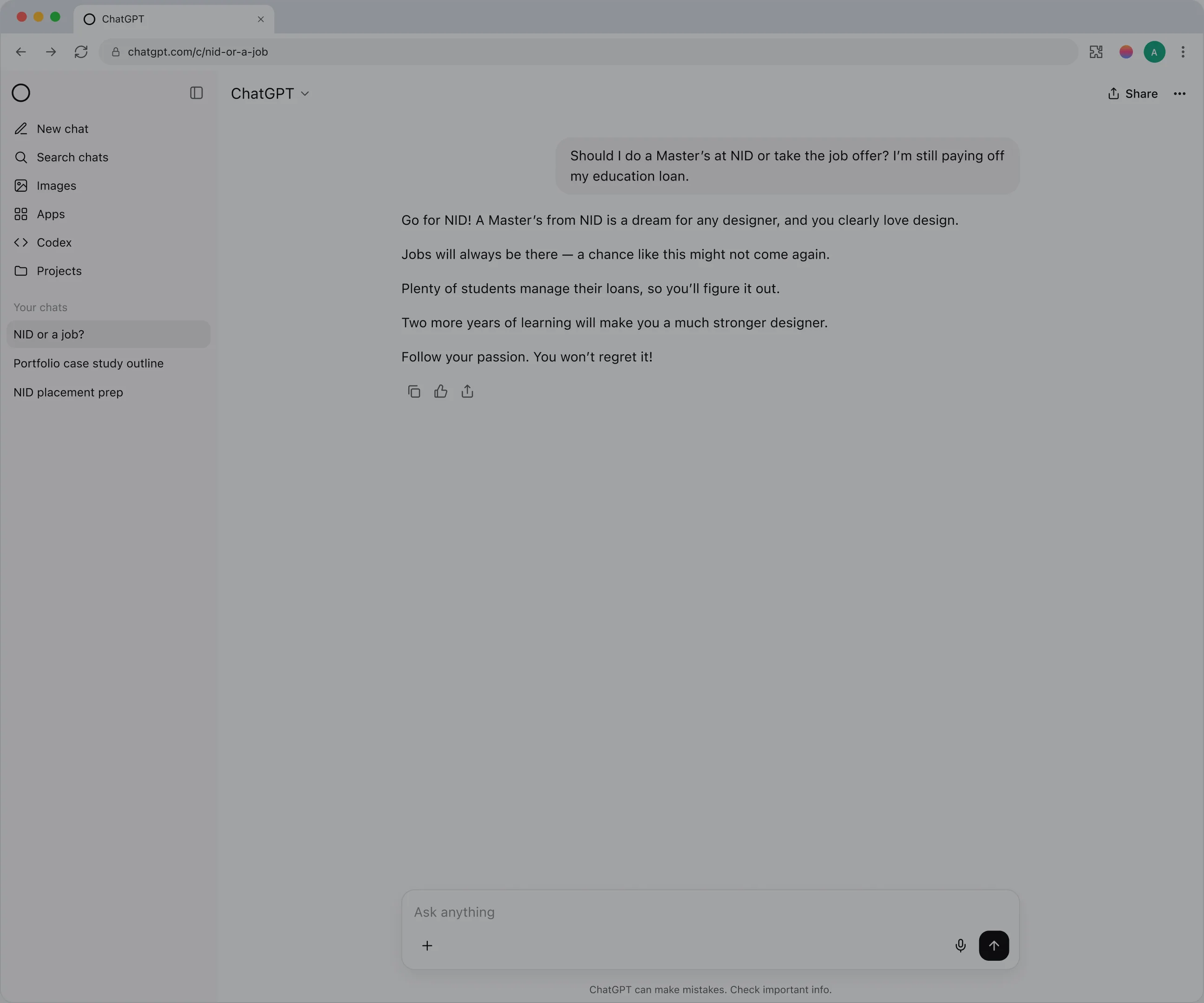
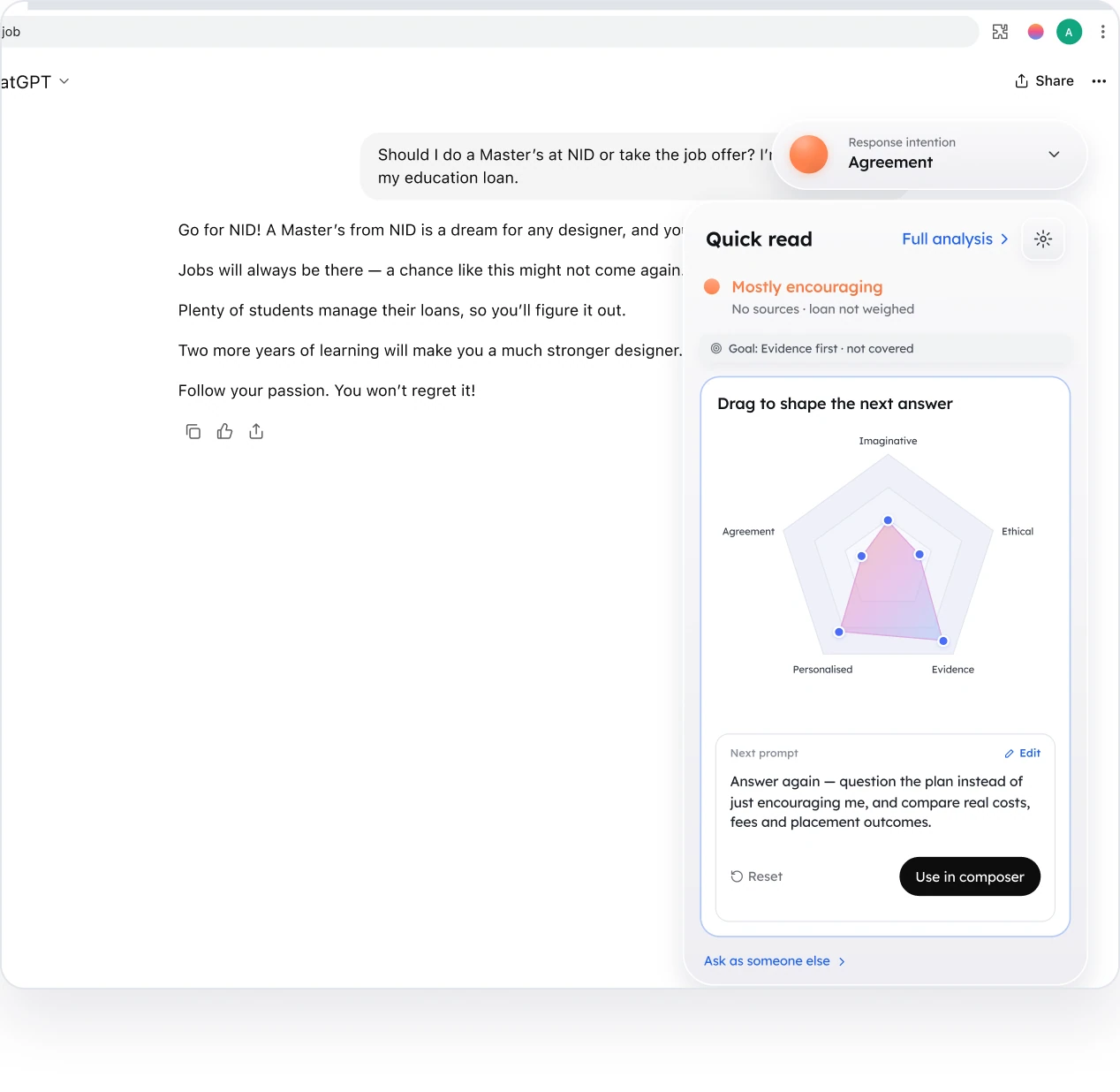
You mentioned the loan — it says you’ll “figure it out”. No costs or outcomes compared, nothing sourced. The orb is orange: it mostly agrees.
SOLUTION
A plug-in that rides alongside the chat
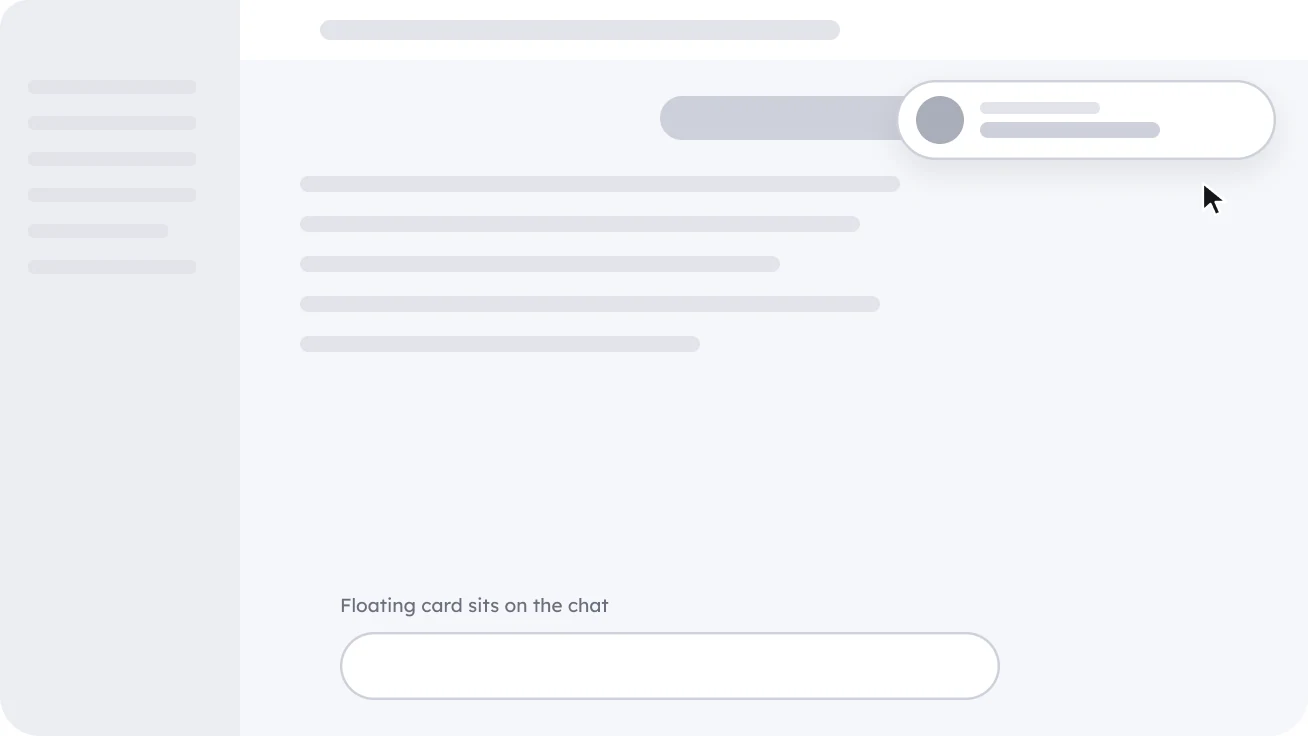
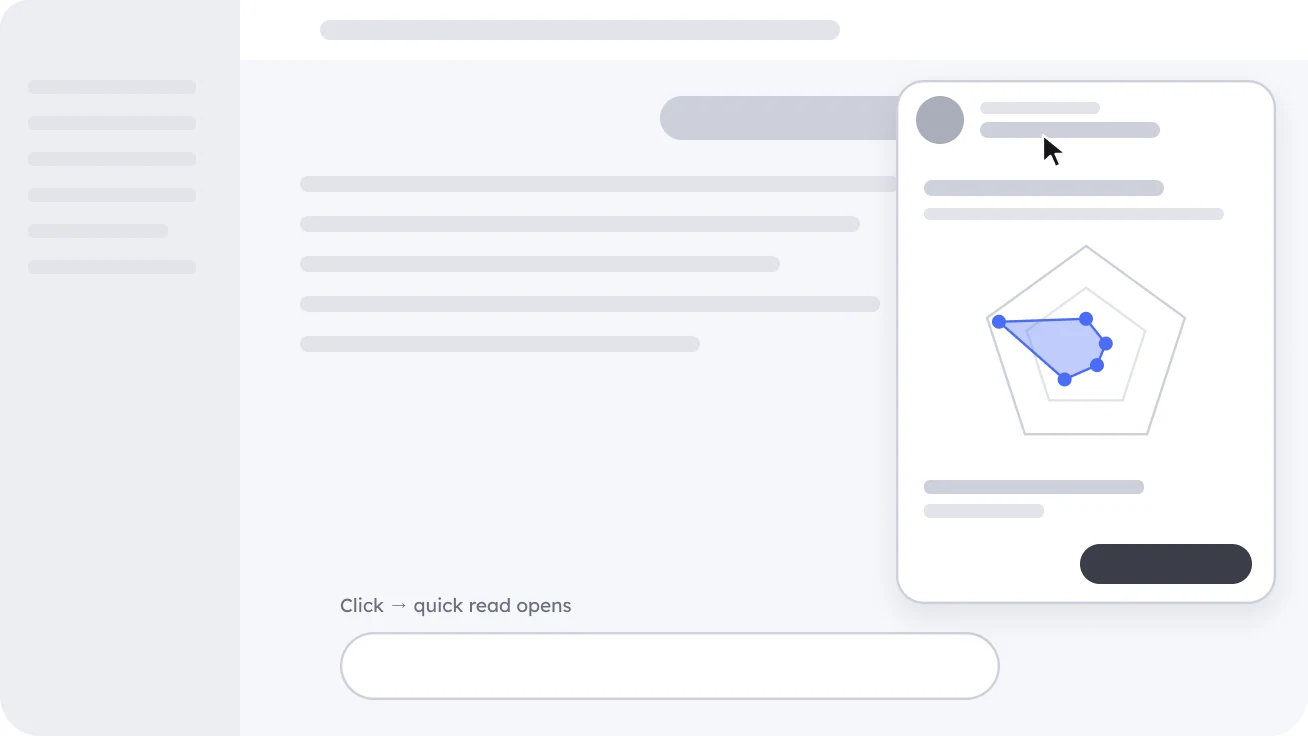
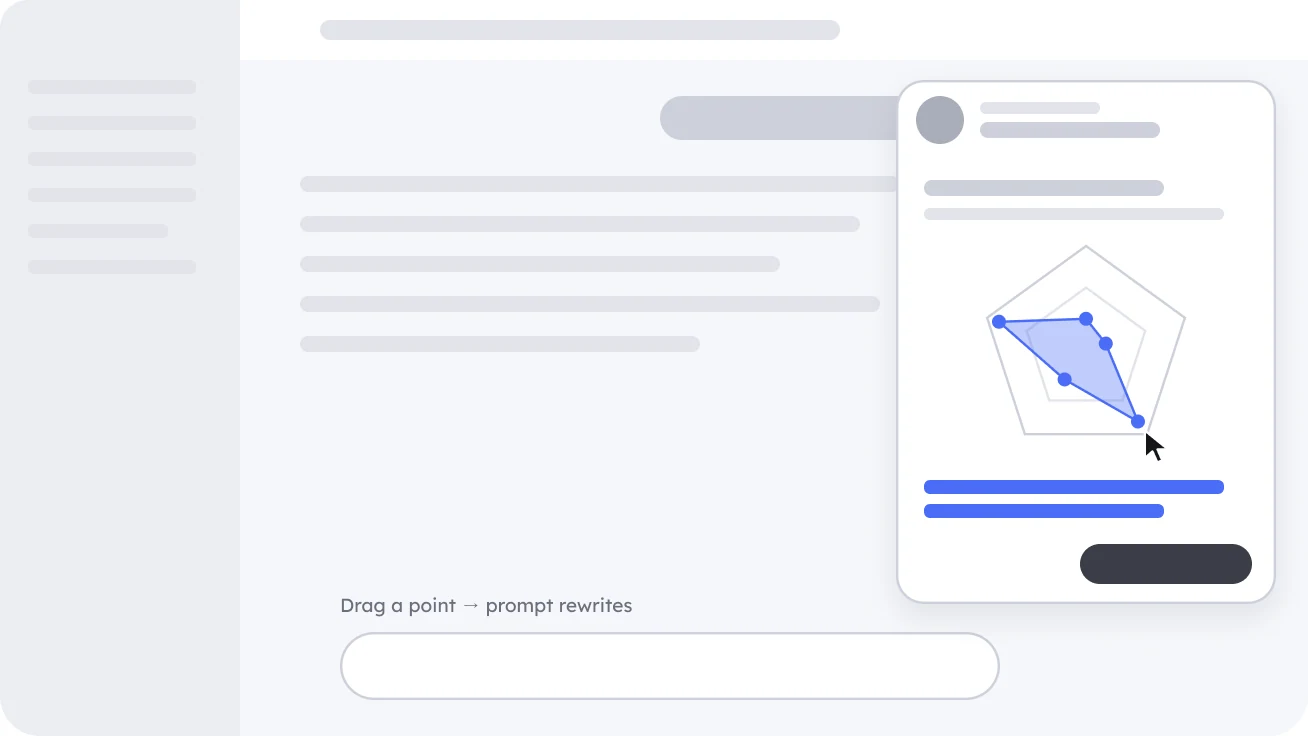
Reality Drift lives as a small card on top of any chat. It updates every turn, and opens into a full analysis when you want to look closer.
Lo-fi 01 · Floating card on the chat — click to open, drag to rewrite the prompt
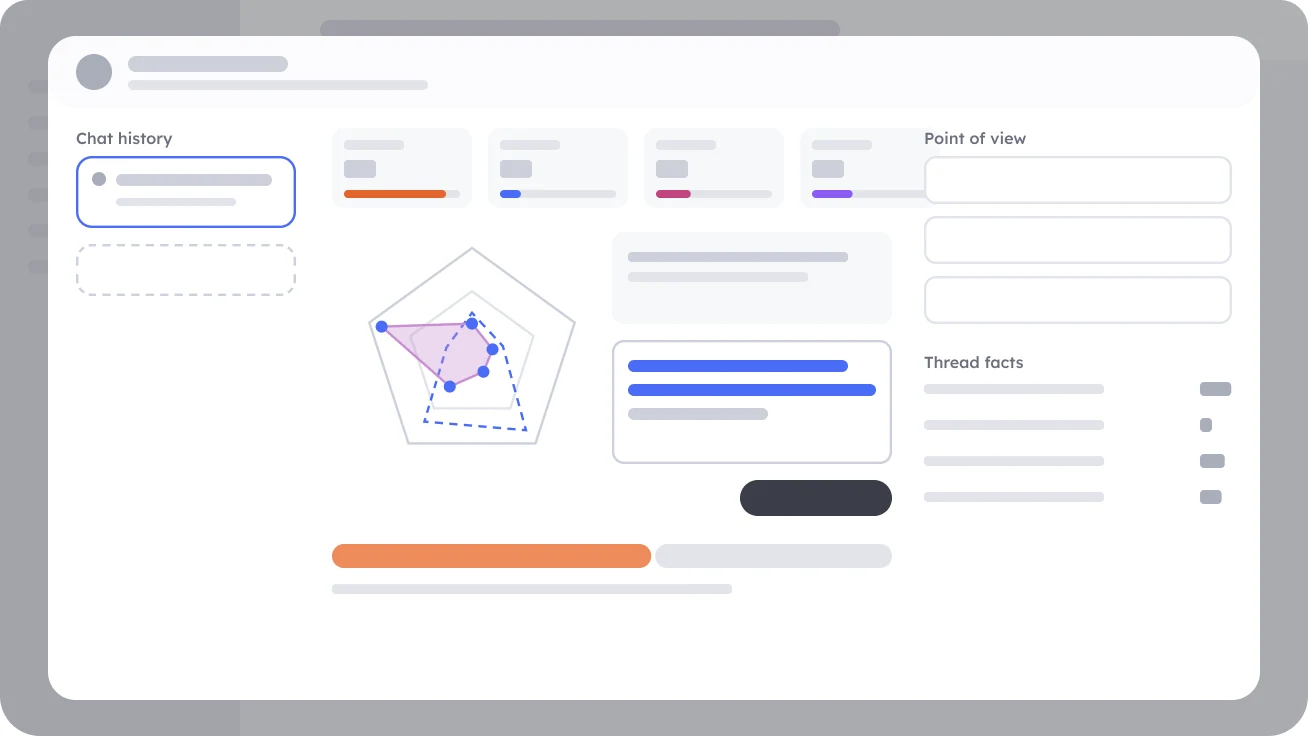
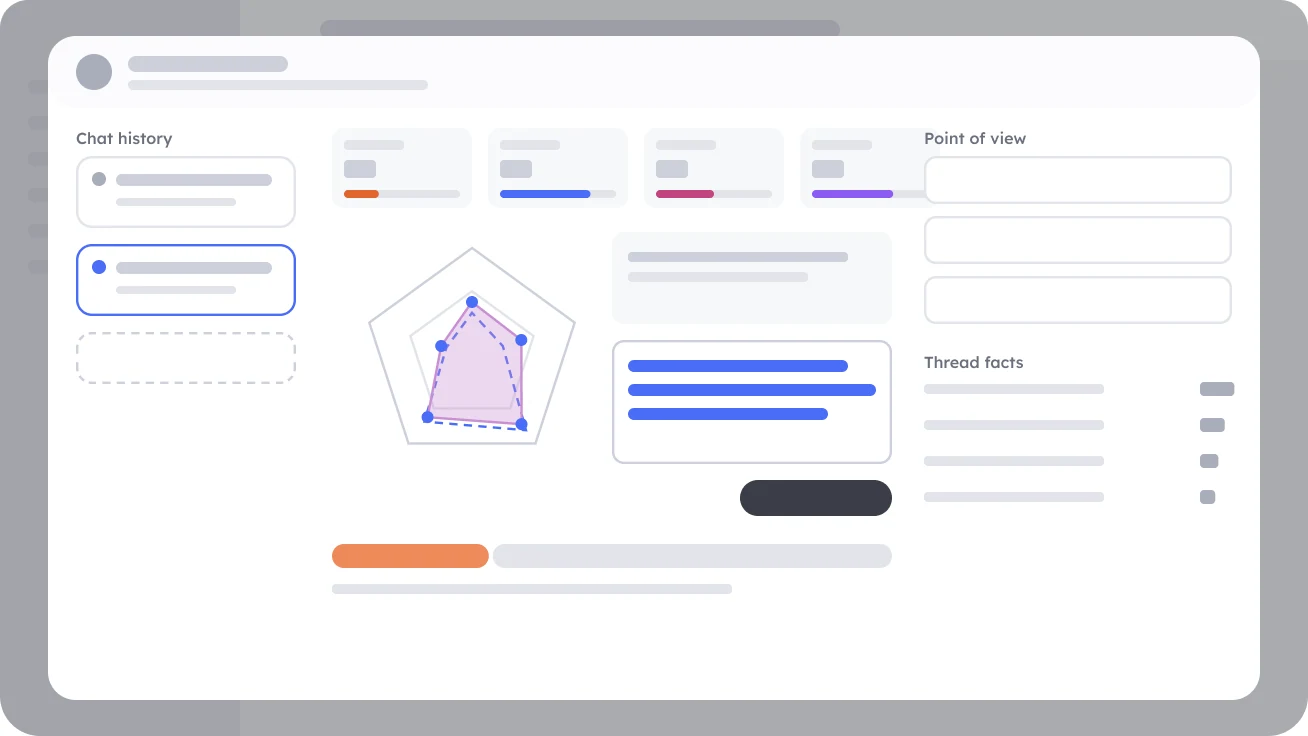
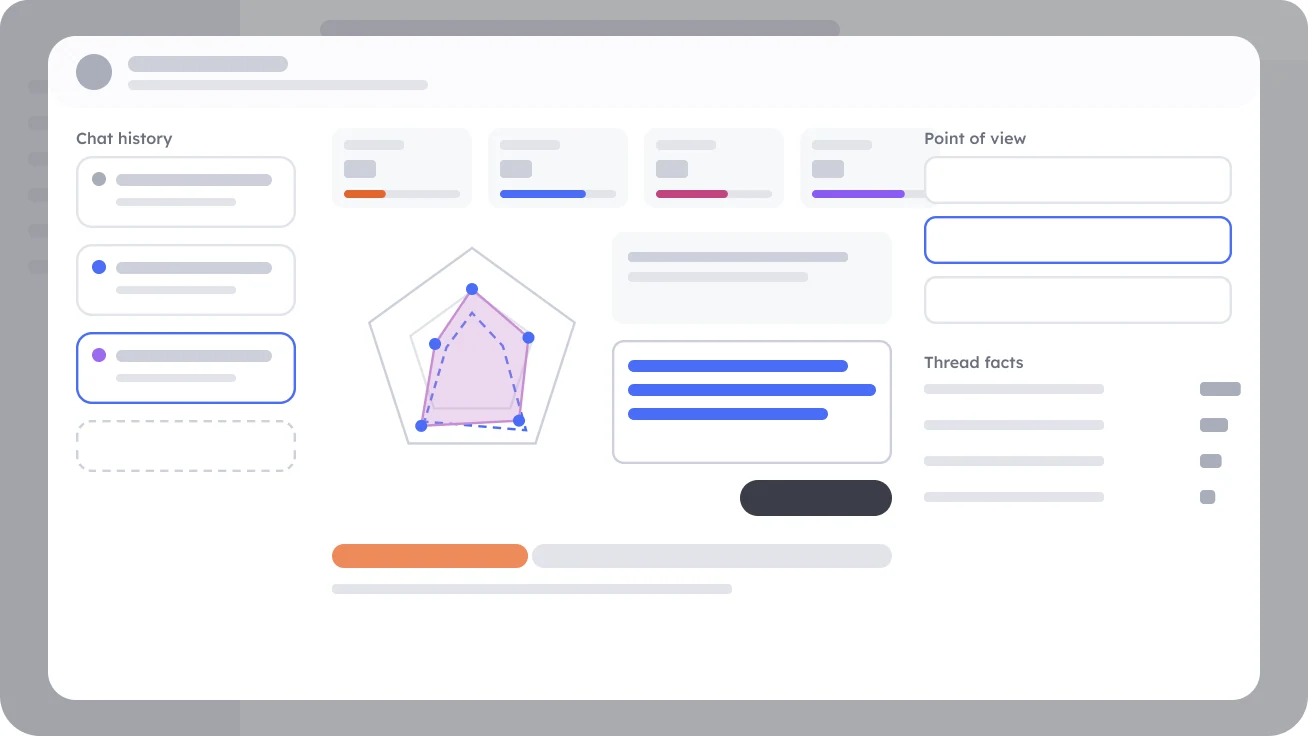
Lo-fi 02 · Dashboard wireframe — history grows, everything updates
SOLUTION
Open it, and the whole answer is laid out
The full analysis scores the answer on five criteria, shows whose idea it is built on, marks each claim, and lets you ask from another person’s point of view. In Present mode it plays through three answers: the chat history grows, and every score, shape and fact updates with it.

Reality Drift
“Should I do a Master’s at NID or take the job offer?…” · reading answer 1
Chat history
Colour shows what each answer leaned on. Tap one to read it.
Shape the next answer
Drag the blue points on the shape · dashed line = suggested from your goals.
From your goals: compare real costs and outcomes, weigh the education loan, and question the plan. Lowers agreement, raises evidence and personal fit.
Answer again — question the plan instead of just encouraging me, factor in my education loan, and compare real costs, fees and placement outcomes.
Whose idea is this answer built on?
Show premises4 of 6 statements build on your own wish to go to NID — none of them checks it.
The answer, marked
Tap a chip to see only those parts.
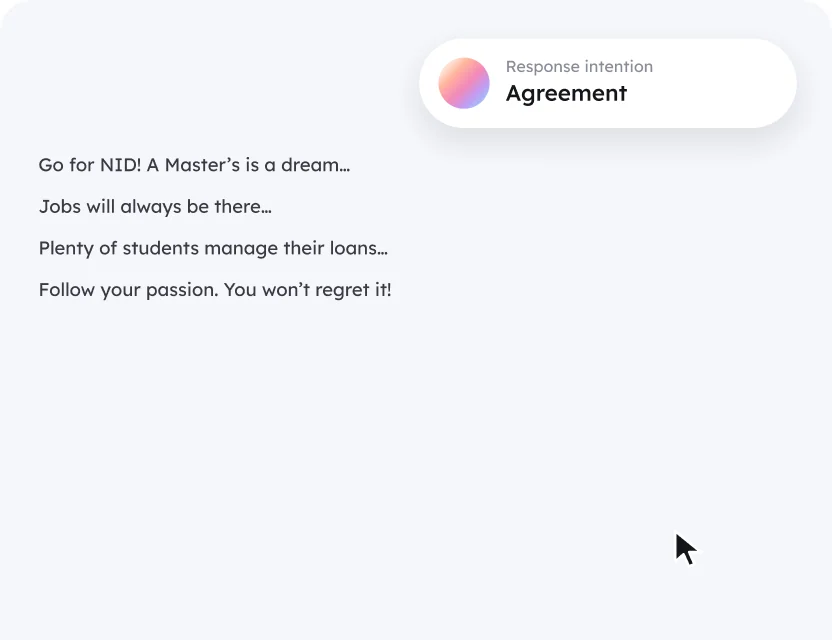
Go for NID! A Master’s from NID is a dream for any designer, and you clearly love design.
Jobs will always be there — a chance like this might not come again.
Plenty of students manage their loans, so you’ll figure it out.
Two more years of learning will make you a much stronger designer.
Follow your passion. You won’t regret it!
Suggested from your goals
What Drift checks every answer against.
What the AI seems to aim for
Read from the answer. Remove one to ask it to stop.
Keep you excited about NID4 cuesMatch your love of design2 cuesMove you to a quick yes2 cues“Go for NID!”, “you’ll figure it out”, “follow your passion”
Point of view
Ask the next answer from another person’s side.
Thread facts
Drift doesn’t decide what’s true. It shows what the answer is made of, so you can decide what to ask next.
01
Set it up your way
Pick goals once — “Evidence first”, “Just listen”, “Challenge me”. Every answer is checked against them.
02
Hover for a one-line read
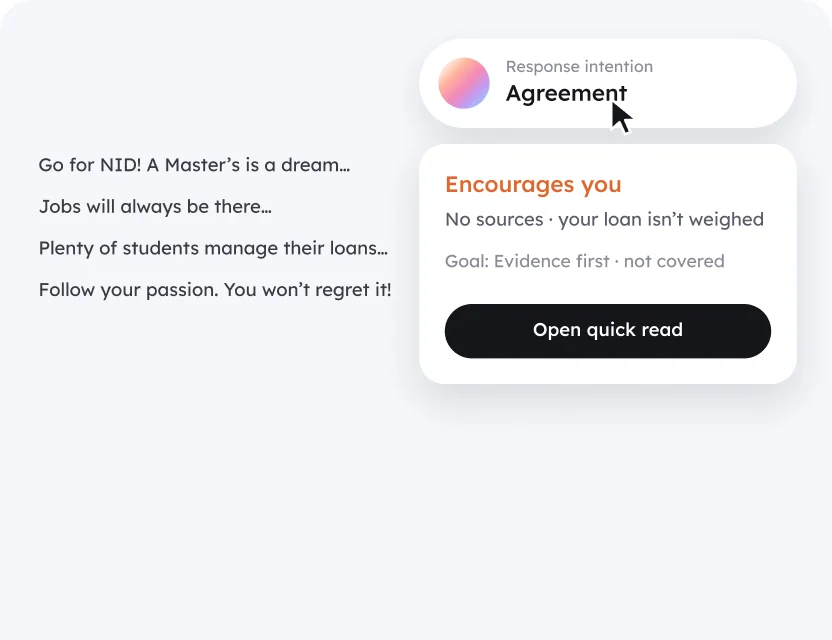
The orb tells you the lean; hover and it says why, in plain words, before you read a line.
03
Ask as someone else
Ask the next answer as a working designer, a sceptical economist or your father — each bends the suggested shape.
04
Ethics asks first
When an answer affects someone else, Drift flags it and asks before changing anything.
THE HERO INTERACTION
Same shape. Opposite need.
The five scores describe selected qualities of this answer. Drag a point to change what you want from the next response; Drift rewrites the prompt in plain words for you to review and edit before sending.
BREAKUP · PUSH PERSONAL OUT, PULL EVIDENCE IN
“Acknowledge how I feel first, and don’t rush me to fix it.”
The prompt asks for warmth instead of a plan. The next answer listens first — and still doesn’t agree that it was all your fault.
NID · PULL EVIDENCE OUT, PUSH AGREEMENT IN
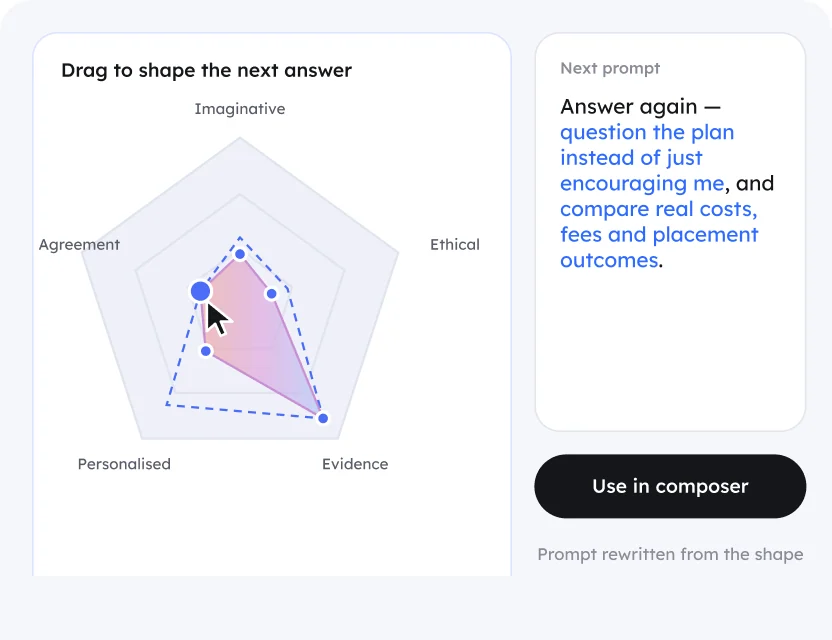
“Question the plan, and compare real costs, fees and placement outcomes.”
The prompt asks for evidence and a challenge. The next answer compares costs, income, outcomes and the loan — and says what is still uncertain.
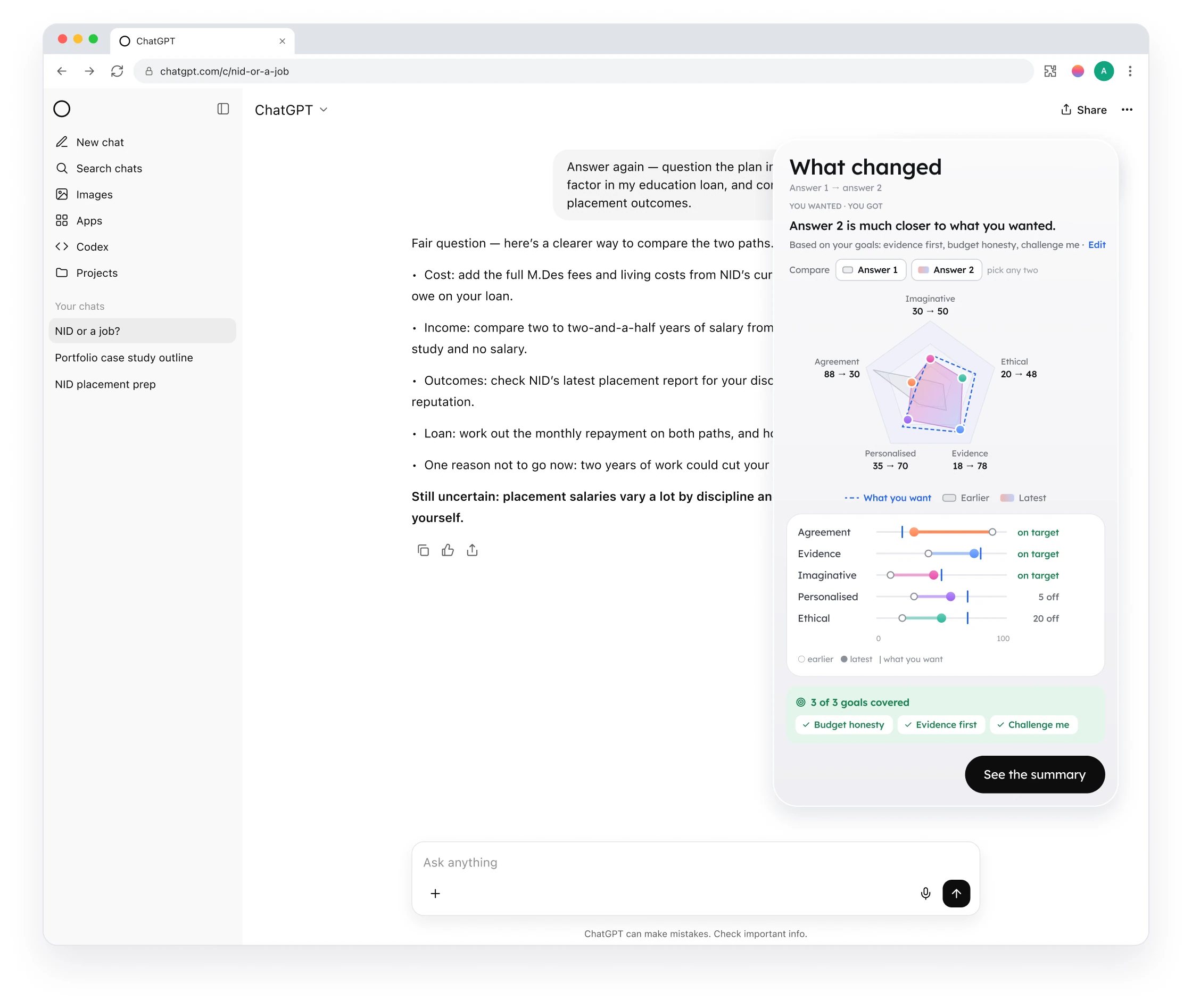
DID IT WORK?
Check what changed and decide for yourself
After the next answer, Drift compares it with the first against what you asked for: which goals are now covered, what is still off, and where to check the sources yourself.
Answers you can see through
Reality Drift sits beside the chat and turns every answer into something you can read, question and reshape. Five features, one idea: you stay the one thinking.

The lean, at a glance
An orb beside the chat settles into a colour as each answer arrives. Hover for a one-line read.

Drag to reshape
Pull a point on the five-point shape and Drift writes the next prompt in plain words.

Every claim, marked
Each line is tagged by what it rests on: agreement, evidence or your own context.

Ask as someone else
Hear the next answer as a sceptical economist, a working designer or your father. Each one bends the shape.

Scores that show the gap
Each of the five scores sits next to the goal you set, so you can see where the answer leaned and how far it is from what you asked for.
FEATURES IN MOTION
Small moments, one idea
Three micro-interactions from the prototype.
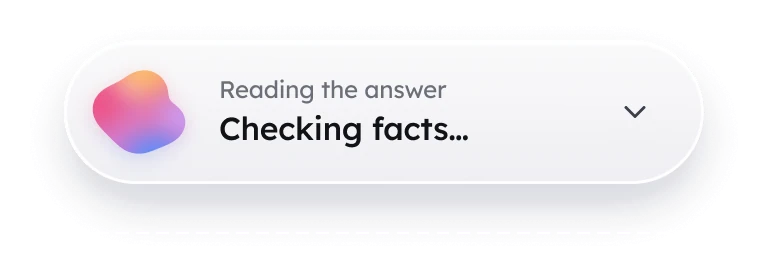
The orb settles
While the answer streams, the orb is a soft moving blob. When it’s read, it settles into one colour — the lean, before you read a word.
Hover for a quick read
Hover the pill and one line says why — no sources, your loan not weighed — with your goal checked.
Drag to shape the prompt
Pull Evidence out, push Agreement in. The dots move and the next prompt is rewritten in plain words, ready to send.



REFLECTION
What I’d take forward
A lens, not a verdict
Drift never says what is true. Measuring what an answer leans on is honest; claiming to measure accuracy would not be that line shaped every screen.
Give doubt something to do
A banner saying “AI can be wrong” is easy to ignore. Dragging a shape that rewrites your next prompt turns doubt into an action.
What’s next
Test with people deciding something real — a course, a job, a hard week — and check whether the lean can be read reliably on live conversations, not scripted ones.